 debbie
I’ll never forget the moment I realized my regular running leggings were completely wrong for the trail. There I was, halfway up a volcanic ridge in Guatemala, soaked from an unexpected downpour, my cotton-blend pants clinging uncomfortably while my hiking boots slipped on muddy switchbacks. That miserable trek taught me what every trail runner eventually learns: the gear that works perfectly on paved city streets fails spectacularly when you’re navigating roots, rocks, and unpredictable weather.
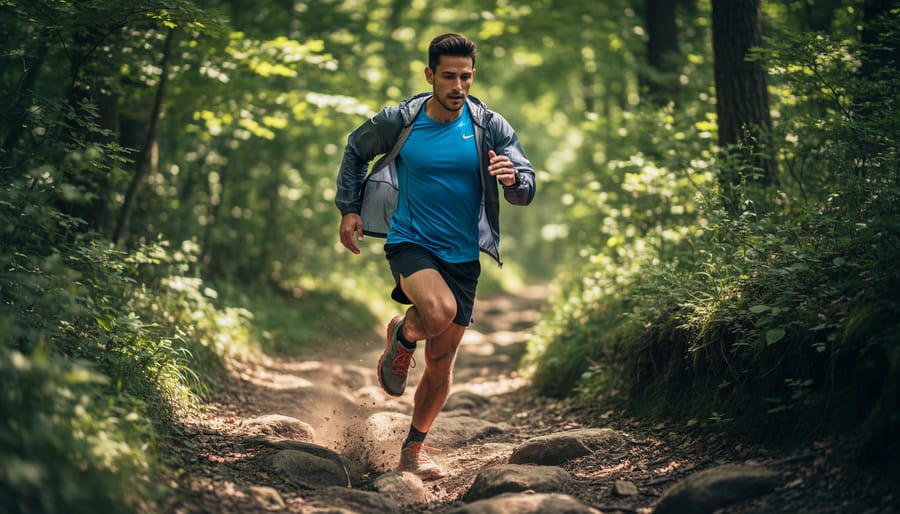
Trail running apparel isn’t just regular activewear with a higher price tag. It’s purpose-built for the unique demands of off-road terrain, designed to handle everything from sudden elevation changes to thorny underbrush that would shred your favorite gym outfit in minutes. The fabrics need to be tougher, the fits more strategic, and the features more technical than what you’d wear for a casual jog around the park.
But here’s what makes 2026 such an exciting time for trail running fashion: brands have finally cracked the code on creating pieces that perform beautifully without looking like you raided a camping supply store from 2010. We’re seeing gorgeous earth tones, flattering cuts, and designs that transition seamlessly from trailhead to coffee shop. You can now invest in trail running apparel that protects you from the elements, holds up against abrasive terrain, and still makes you feel like the adventurous, stylish woman you are.
Whether you’re planning your first trail run through Joshua Tree or building a capsule wardrobe for a multi-week trekking trip through Patagonia, understanding what separates trail-specific gear from regular running clothes will transform your outdoor adventures.
Why Trail Running Apparel Is Different from Your Regular Running Gear
The first time I grabbed my favorite gym leggings and moisture-wicking tank for a trail run through Torres del Paine in Chile, I learned this lesson the hard way. What works perfectly on a treadmill or city sidewalk falls apart when you’re navigating rocky switchbacks, dodging low-hanging branches, and facing sudden weather changes at elevation. Trail running apparel isn’t just regular running gear with a different label; it’s purpose-built for conditions that would destroy your standard workout clothes in a single adventure.
Trail environments demand fabric that can handle abrasion. While road running keeps you on smooth pavement, trails throw roots, rocks, and thorny vegetation directly in your path. Your gear needs reinforced panels and tougher materials that won’t snag or tear when you brush against granite outcroppings or scrub brush. I’ve seen regular running shorts develop holes after a single morning on rugged terrain, which is especially frustrating when you’re traveling and can’t easily replace them.
Weather variability is another game-changer. On trails, you might start in warm sunshine, climb into cold wind, and encounter sudden rain within the same hour. Trail running apparel addresses this with layering systems that work together, not the single-purpose pieces you’d wear to a climate-controlled gym. When you’re exploring the trails around Chamonix or running coastal paths in Big Sur, you need gear that adapts as quickly as mountain weather shifts.
The durability factor becomes crucial for travelers. Trail running apparel is an investment that pays off across multiple destinations and conditions. Unlike delicate athleisure that requires careful washing and gentle handling, these pieces are built to withstand repeated adventures, compress well in luggage, and bounce back from the kind of treatment travel inevitably involves.
The Trail Running Apparel Essentials Every Fashion-Forward Traveler Needs
Base Layers That Work as Hard as You Do
The right base layer turns a sweaty mess into pure comfort, which matters when you’re three miles into a trail with no chance of changing. I learned this the hard way during a sunrise run in Portugal’s Sintra mountains, wearing a cotton tee that felt like a wet blanket within twenty minutes.
Trail running base layers do one job brilliantly: they pull moisture-wicking keeps sweat away from your skin so you stay dry and regulated, whether you’re climbing in humidity or descending in wind. Look for merino wool or synthetic fabrics that dry fast and resist odor. Brands like SATISFY and Janji make base layers that pack down to nothing in your carry-on, which means you can throw one in your daypack without sacrificing space for your camera gear.
The bonus? A fitted base layer in black or navy doubles as a chic layering piece under denim jackets for post-trail coffee stops. Choose crew necks over zip styles for more versatility off the trail, and stick with seamless construction to avoid chafing on long runs.
Bottoms Built for Adventure
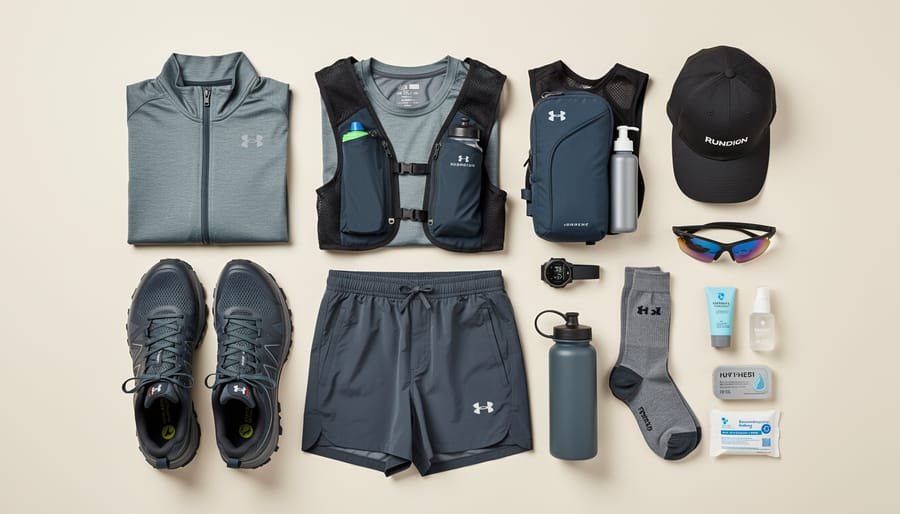
The right bottoms can make or break your trail experience, especially when you’re navigating rocky switchbacks or sudden weather changes far from your hotel. Trail running shorts need deep, secure pockets for your phone, energy gels, and trail map, because fumbling with a bouncing waistband pouch while trying to stay upright on loose gravel is nobody’s idea of fun. Look for styles with zippered compartments and built-in briefs that won’t chafe after the first mile.
Tights offer extra coverage for cooler mornings or scrub-heavy trails where your legs need protection from scratches. The best ones feature reinforced panels at the knees and high waistbands that stay put during steep climbs. I’ve found that darker colors with subtle patterns hide trail dust better than solid black, which shows every speck of dirt by mid-run.
For versatility, consider trail pants with articulated knees and stretchy fabric that moves with you. These transition seamlessly from morning trail runs to afternoon coffee stops in mountain towns, saving precious luggage space. Brands like Satisfy and On are designing bottoms that look intentional rather than purely athletic, with clean lines that work with your favorite oversized sweater or denim jacket. The key is finding pieces that feel secure during technical descents yet polished enough for everything that comes after.
Outerwear That Protects Your Style Investment
A lightweight, packable jacket is your insurance policy when the trail throws a tantrum. I learned this the hard way during a sunrise run in Scotland’s Highlands when sunshine turned to sideways rain in minutes. Now I never hit an unfamiliar trail without a shell that stuffs into its own pocket.
The best trail running jackets balance three priorities: weather protection, breathability when you’re working hard, and the ability to disappear in your daypack when the sun returns. Look for jackets with pit zips or mesh-backed vents that dump heat without forcing you to strip mid-climb. Water resistance matters more than full waterproofing for most trail conditions; a DWR-treated jacket sheds light rain and morning dew while weighing half what a Gore-Tex shell does.
Vests are my secret weapon for changeable mountain weather. They protect your core and pack essentials while keeping your arms free to regulate temperature. Brands like SATISFY and Currently Running design pieces that layer seamlessly over moisture-wicking tees but look intentional enough for post-run coffee stops. The trick is choosing colors and cuts that work with your existing travel wardrobe. A sleek navy or forest green vest transitions from trail to train platform far better than neon yellow ever will.
Brands Leading the Trail Running Apparel Movement in 2026
The trail running apparel scene in 2026 has evolved into something that would have seemed impossible just a few years ago: technical gear that actually looks incredible. I discovered SATISFY during a trip to the French Alps, and their pieces instantly became part of my travel bag essentials. Since launching in 2015, this brand has mastered the art of creating technical equipment that reduces distractions while looking effortlessly cool, whether you’re climbing mountain trails or grabbing coffee in a new city.
Currently Running Apparel brings a California-fresh approach to the category. This California-based athletic brand specializes in premium running garments with clean lines and thoughtful details that translate beautifully from trail to town. Their designs feel less like workout gear and more like pieces you’d actually choose to wear exploring a new destination.
Here’s how the leading brands stack up for style-conscious travelers:
| Brand | Style Vibe | Price Point | Signature Feature |
|---|---|---|---|
| SATISFY | Avant-garde technical | Luxury | Minimalist aesthetics that unlock performance |
| Currently Running | California cool | Mid-range | Premium fabrics with clean design |
| On | Swiss precision | Mid-range | Sleek, modern silhouettes |
| Lululemon | Studio to street | Mid-range | Versatile pieces with thoughtful pockets |
| Nike | Athletic classic | Budget-friendly | Reliable performance at accessible prices |
| Janji | Globally inspired | Mid-range | Travel-friendly designs with cultural connections |
For budget-conscious adventurers, Nike and Adidas offer surprisingly capable trail running pieces that won’t strain your travel fund. Both brands have elevated their trail-specific collections, delivering moisture-wicking fabrics and trail-ready durability at prices that leave room in your budget for actual adventures.
On the other end, brands like District Vision and Soar cater to runners who view their gear as an extension of their aesthetic. These pieces work hard on technical terrain while maintaining the kind of refined design that feels intentional when you’re exploring a new city between runs. The investment pays off in versatility: one jacket serves trail runs, travel days, and evening strolls equally well.
How to Style Trail Running Apparel for Travel Days and City Exploring
Here’s the thing about trail running apparel that nobody tells you: it looks better off the trail than half your regular wardrobe. I learned this during a three-week trip through New Zealand when my trail running tights became my go-to pants for everything from morning café runs to afternoon museum visits. The secret is knowing which pieces translate and how to style them so you look intentional rather than like you’re perpetually mid-workout.
Start with your bottoms as the foundation. Trail running tights with subtle details work beautifully under an oversized linen shirt or cropped sweater for travel days. The structured fit reads as athleisure rather than purely athletic, especially in darker colors. I pair mine with ankle boots or minimalist sneakers and throw on a lightweight jacket, and suddenly I’m dressed for a twelve-hour travel day that’s comfortable without screaming airport casual. Trail running shorts with built-in brief liners transition perfectly to city exploring when you style them with a fitted tank tucked in and a crossbody bag instead of a running pack.
Your technical base layers are surprisingly versatile. A quality moisture-wicking crew or half-zip in a neutral color acts as your perfect layering piece under denim jackets or blazers. I’ve worn the same base layer on a trail run at sunrise and to dinner that evening, just by adding a statement necklace and swapping my running shoes for slides.
The key is mixing one technical piece with clearly non-athletic items. Trail running jacket with jeans and leather sneakers? Perfectly styled. Trail running tights with an oversized button-down and canvas slip-ons? Effortlessly chic. But trail jacket, trail tights, and trail shoes together? That’s when you look like you’re lost on your way to the trailhead. Think of your trail running apparel as the functional foundation that keeps you comfortable while everything else adds your personal style signature.

Budget-Friendly Trail Running Apparel for Every Adventure
Building a trail running wardrobe doesn’t mean draining your savings account before your next adventure. I’ve learned through plenty of trial and error that smart shopping beats mindless spending every time.
Start by investing in what touches your skin most: a quality base layer and well-fitted bottoms. These pieces take the most abuse and directly affect your comfort on the trail. A moisture-wicking shirt from brands like Asics or New Balance will outlast three cheap alternatives, and good shorts with secure pockets are worth every penny. Save money on outer layers initially, a basic windbreaker does the job while you’re building your collection.
Shop end-of-season sales religiously. Trail running gear from brands like Brooks and HOKA gets marked down significantly in late winter and late summer. Sign up for email lists from your favorite brands to catch these deals early, and don’t overlook outlet sections online where last season’s colors sell at half price with identical performance.
The same travel fashion tips that help you pack light apply here: choose versatile pieces that work double duty. Neutral-colored bottoms pair with everything, and a black base layer transitions from trail to coffee shop seamlessly.
Consider mixing premium and budget pieces strategically. Pair affordable Puma tights with a splurge-worthy jacket, or invest in Currently Running Apparel shorts while choosing budget-friendly tops. This approach lets you experience quality where it matters most without the sticker shock of an all-premium wardrobe. Your trail running kit should grow gradually as you discover what works for your specific adventures and climate needs.
Packing Trail Running Apparel for Your Next Trip
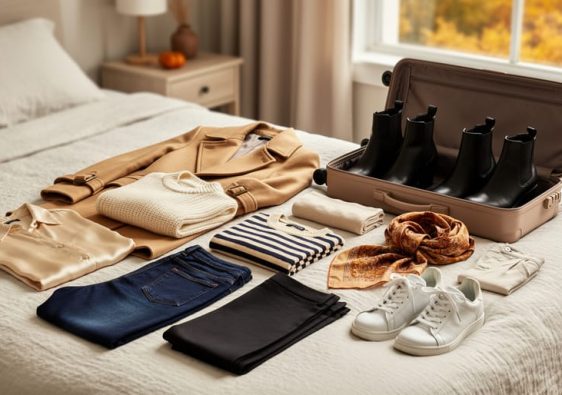
I’ve learned my best packing trick from trial and error on actual trails: treat your running gear like your travel capsule wardrobe but more ruthless. The secret is choosing pieces that do double or triple duty and packing them so compactly you’ll forget they’re even there.
Start with compression packing cubes specifically for your running gear. I roll my moisture-wicking base layers and tights into tight cylinders, which prevents wrinkles and saves space. Your trail running shorts with built-in liners can actually replace regular underwear for non-running days, cutting down on what you pack overall.
Here’s my streamlined approach:
- Roll base layers and leggings tightly, then pack them in a compression cube at the bottom of your carry-on.
- Stuff socks inside your trail shoes to maintain their shape and maximize every inch of space.
- Layer your lightweight running jacket around other clothing items instead of folding it separately.
- Wear your bulkiest trail running piece (usually shoes or a windbreaker) on the plane to free up luggage room.
- Pack a packable daypack that doubles as both a running vest and a city exploration bag.
Prioritize multi-use items over specialized gear. That moisture-wicking tee works for running, sleeping, and casual daytime exploring. Your trail running tights look perfectly acceptable under an oversized sweater for coffee shop work sessions. I’ve worn my trail running jacket through airport security, on mountain trails, and to dinner without anyone noticing it’s technical gear.
The one piece worth the space commitment? A dedicated pair of trail running shoes. Everything else can serve multiple purposes, but shoes designed for technical terrain will make or break your trail experience when you’re finally out there.
Standing at that trailhead three years ago in my makeshift running outfit, I never imagined how transformative the right gear could be. Now, with my carefully curated trail running wardrobe tucked into my luggage using the packing tips I’ve refined over countless trips, I feel ready for anything. That confidence extends far beyond the trails themselves.
You don’t have to choose between looking good and being prepared for adventure. The trail running apparel movement in 2026 proves that performance and style can coexist beautifully. Whether you’re planning a mountain getaway or simply want versatile pieces that keep up with your active travel lifestyle, investing in quality trail running gear opens doors to experiences you might have otherwise skipped.
Start small if you need to. Pick one versatile piece that excites you, wear it on your next trip, and see where it takes you. The trails are waiting, and you’re going to look amazing conquering them.