 debbie
A well-planned women’s capsule wardrobe for Europe revolves around 15 to 20 versatile pieces in a coordinated color palette, allowing you to mix and match outfits for two to three weeks while carrying only a single piece of luggage. The formula is simple: pack items that work together, transition between day and evening, and suit Europe’s walkable cities and varied weather.
I learned this the hard way during my first trip to Paris, when I dragged a massive suitcase up four flights of narrow stairs to my Airbnb. That experience taught me the golden rule of European travel: cobblestones and staircases are your wardrobe’s worst enemies. Since then, I’ve perfected the art of packing light without sacrificing style, and the secret lies in choosing quality basics that earn their spot in your bag.
European travel demands a different approach than beach vacations or road trips. You’ll walk miles every day exploring museums, navigating metro stations, and wandering medieval streets. Your wardrobe needs to work overtime, with each piece serving multiple purposes. A black midi dress becomes a day outfit with sneakers and transforms into evening wear with heels. A lightweight blazer dresses up jeans for dinner and layers over dresses when temperatures drop.
The goal isn’t just to never overpack but to pack strategically so you feel confident and comfortable whether you’re sipping espresso in Rome or gallery-hopping in Amsterdam. This guide will walk you through exactly what makes a piece travel-worthy, which categories deserve space in your suitcase, and the specific formula I use for every European adventure.
What Makes a European Travel Capsule Different
European travel throws specific challenges at your wardrobe that a typical vacation doesn’t. Those charming cobblestone streets in Rome, Paris, and Prague? They’re murder on heels and demand comfortable, supportive footwear that still looks polished enough for sidewalk cafés. You’ll walk 15,000+ steps daily exploring cities built centuries before cars existed, which means every shoe and clothing choice needs to prioritize walkability without screaming “tourist.”
Weather in Europe shifts dramatically, sometimes within a single day. I learned this the hard way in London when I started my morning in sunshine and ended up drenched by 2 PM without a proper layer. Spring mornings might be chilly at 50°F, afternoons warm to 70°F, and evenings drop back down again. Your capsule needs strategic layering pieces that pack small but perform big, letting you add or remove items as temperatures fluctuate across countries and elevations.
Cultural dress codes lean more elevated than casual American standards. Europeans tend to dress up slightly for dinners, museums, and city wandering. The athletic wear and flip-flops acceptable in many U.S. cities will make you stand out for the wrong reasons. Your capsule should favor elevated basics over athletic pieces, think clean jeans and a nice blouse rather than leggings and hoodies.
The day-to-night transition happens constantly in European travel. You’re moving from a morning cathedral visit to an afternoon market stroll to an evening aperitivo, often without returning to your hotel. This means every piece needs to work multiple ways. A simple dress that handles museum touring must also feel appropriate for that surprise dinner reservation. Mix-and-match versatility isn’t just convenient for European travel, it’s essential for making 10 pieces feel like 20 outfits.
Key Buying Factors for Your European Travel Capsule
Fabric and Material Considerations
Choosing the right fabrics can make or break your European travel experience. I learned this the hard way on my first Rome trip, when my linen pants looked like I’d slept in them by noon.
For European travel, you’ll want materials that resist wrinkles, dry quickly, and breathe through long sightseeing days. Merino wool tops the list, it naturally resists odors, regulates temperature, and barely wrinkles. Yes, it costs more upfront, but budget brands like Uniqlo offer affordable merino basics that perform beautifully. Technical blends combining polyester and spandex give you stretch and wrinkle resistance while maintaining a polished look. These work especially well for pants and dresses that need to transition from day tours to evening dining.
Travel-friendly cottons exist, too. Look for cotton-poly blends rather than 100% cotton, which wrinkles easily and takes forever to dry. Jersey knits in these blends pack small, resist creasing, and work for everything from tees to casual dresses.
Skip delicate silks, pure linen (unless you embrace the wrinkles), and heavy denim that won’t dry overnight. Rayon sounds appealing but wrinkles terribly and loses shape when hand-washed. Instead, focus on fabrics labeled “performance,” “travel,” or “wrinkle-free”, these marketing terms actually signal materials engineered for the realities of life out of a suitcase.
Versatility and Mix-and-Match Potential
The secret to a successful travel capsule is the rule of three: every piece should work with at least three other items in your wardrobe. When I packed for my two-week trip through Paris, Rome, and Barcelona last spring, I challenged myself to create a capsule from just ten pieces. The result? Over fifteen distinct outfits that took me from morning museum visits to evening aperitivos without repeating the same look.
Start by choosing a three-color palette: one neutral base (black, navy, or camel), one complementary neutral (white, cream, or gray), and one accent color that you love wearing. I went with navy, white, and rust orange. This formula means nearly everything coordinates automatically. A navy blazer works over a white tee, a rust dress, or paired with cream pants. Your white button-down layers under that same blazer or ties over a navy midi skirt.
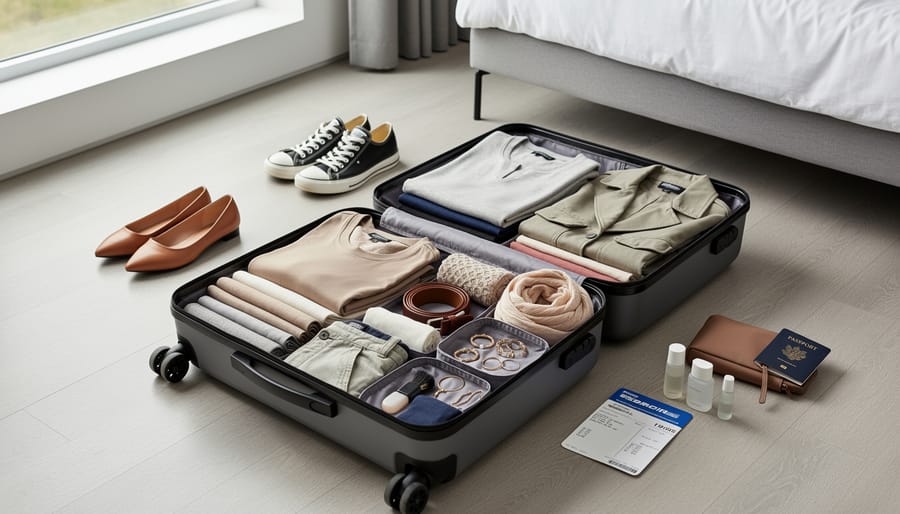
Test your selections before you pack by laying everything on your bed and creating actual outfit combinations. Can that striped tee work with both your jeans and your midi skirt? Does your denim jacket layer over your black dress? If a piece only works one way, reconsider whether it earns its spot in your luggage. The more interconnections you create, the lighter you pack and the more creative freedom you have while traveling.
Climate and Season Timing
European weather can shift from sunny to rainy in the same afternoon, so your capsule needs to adapt to whatever the season throws at you.
Spring (March-May) calls for the ultimate layering game. Pack lightweight sweaters, a waterproof jacket, and versatile midi skirts or pants. Temperatures swing from crisp mornings to warm afternoons, so think onion layers you can peel off. I learned this the hard way in Paris one April when I packed only light cardigans and froze during an unexpected cold snap.
Summer (June-August) means breathable fabrics are non-negotiable. Prioritize linen blends, cotton dresses, and moisture-wicking tees. Southern Europe gets scorching, but Northern cities stay cooler. A light scarf doubles as sun protection and evening warmth.
Fall (September-November) mirrors spring but skews cooler. Add a medium-weight jacket and swap sandals for closed-toe shoes. Layering pieces earn their keep here.
Winter (December-February) requires a warm coat, but choose one that works with everything in your capsule. Thermal layers, cozy sweaters, and water-resistant boots become your foundation. Dark colors hide travel wear better during slushy months.
Whatever season you choose, always pack one extra layer than you think you need.
Comfort Meets Style for Long Travel Days
Let me tell you, I learned the hard way during a 12-hour flight to Paris that feeling put-together and actually being comfortable don’t have to be opposites. The key is choosing pieces with stretch, soft waistbands, and breathable fabrics that won’t wrinkle into oblivion mid-flight.
Look for pants with elastic waistbands disguised by tailored details, ponte knit trousers or travel-specific pants with hidden elastic give you the comfort of leggings with a polished silhouette. Dresses in jersey or modal fabric let you breeze through airport security, stay comfortable during those endless cobblestone walks, and transition straight to a cafe dinner without a wardrobe change.
Prioritize tops with a bit of spandex mixed in, cotton-spandex blends or bamboo fabrics move with you and resist wrinkles. Skip anything tight around your waist, shoulders, or underarms. A flowy midi dress paired with supportive sneakers works beautifully for a full day of sightseeing, then swap in dressy flats and add a blazer for evening.
The real magic happens when your outfit requires zero adjustment throughout the day. That’s travel wardrobe success.
Types of Capsule Wardrobe Pieces Compared
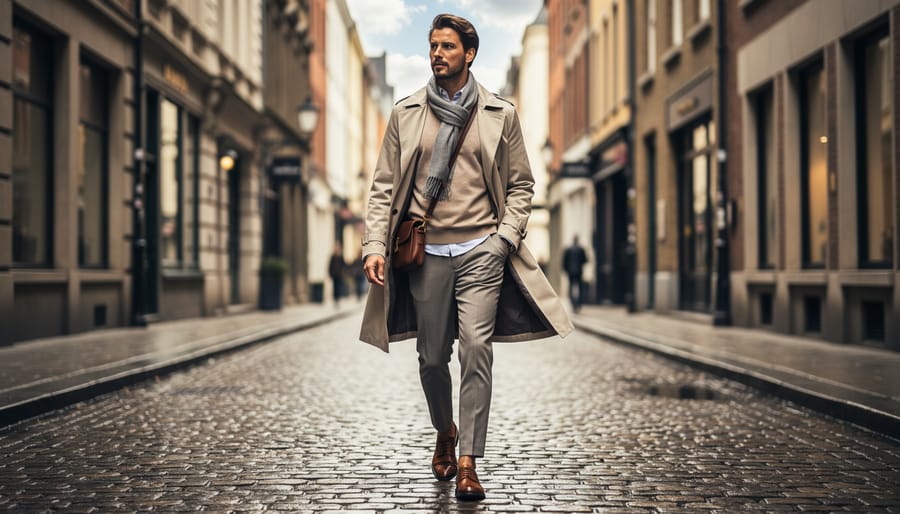
Tops: Blouses, Tees, and Layers
When I’m choosing tops for European travel, I always ask myself: “Can I wear this for coffee in Paris AND dinner in Rome?” That simple test has saved me from packing pieces that only work once.
Basic tees are your workhorses, they layer under blazers, pair with jeans for sightseeing, and transition easily with a scarf. Choose soft, breathable cotton or moisture-wicking blends in neutral colors. I pack two: one white or cream, one black or navy.
Elevated blouses bring instant polish without trying too hard. A silk-blend button-down or flowy top with interesting details takes you from museum tours to evening aperitivos. These pieces let you skip the “outfit change” back at the hotel. Look for wrinkle-resistant fabrics that pack flat.
For sleeve length, long sleeves win for versatility. They work in air-conditioned museums, cooler evenings, and conservative churches. Roll the sleeves for warmer days. Short-sleeve tops take less space but limit your layering options, I typically pack one if traveling in summer.
Aim for three to four tops total that all coordinate with your bottoms.
Bottoms: Pants, Skirts, and Shorts
Jeans feel familiar, but they’re deceptively tricky for European travel. They’re heavy when wet, take forever to dry if you’re doing sink laundry, and can feel restrictive after hours of walking. That said, a well-fitted pair in a dark wash works beautifully for dinners and evening strolls. My go-to compromise? Travel pants in ponte knit or technical fabric that look like dress pants but feel like leggings. They pack lighter, dry overnight, and transition seamlessly from museum tours to wine bars.
Midi skirts are absolute champions for European travel. They’re effortlessly chic for cities like Paris or Rome, cover your knees for church visits, and create instant outfits when paired with any top. Choose a flowy style in a solid color that won’t wrinkle. Shorts work well for Mediterranean summer destinations and casual coastal towns, but skip them for major cities where Europeans tend to dress more polished. A single pair of tailored shorts in a neutral tone handles beach days and casual sightseeing without looking too touristy.
Dresses: Day-to-Night Versatility
Dresses are absolute lifesavers in a European travel capsule because they solve the outfit equation in one piece. I learned this on my first Paris trip when I packed three dresses and wore them six different ways, each dress transformed from museum visits to wine bars with just a jacket swap or jewelry change.
Look for midi or knee-length styles in solid colors or subtle prints that won’t scream “tourist.” A-line and wrap silhouettes work beautifully because they’re flattering, comfortable for walking, and appropriate for everything from touring cathedrals to dinner reservations. Choose breathable fabrics like cotton blends or jersey that resist wrinkles.
The magic happens when you pair dresses with different layers. A casual sundress becomes evening-ready with a blazer and statement earrings. A simple black dress works for sightseeing with sneakers and a crossbody bag, then transitions to romantic dinners with heels and a clutch. For cooler months, check out our 2-week fall capsule for how dresses work with fall layering ideas like tights and cardigans. Two or three well-chosen dresses give you maximum outfit variety with minimal packing space.
Outerwear and Layering Pieces
When I’m helping friends plan their European travel wardrobes, the outerwear conversation always gets the most questions. The right layering pieces can make or break your capsule wardrobe, and choosing between a blazer, cardigan, denim jacket, or lightweight coat depends on your destinations and travel dates.
A structured blazer (avoid the double asterisks here, I’ll write this correctly): A structured blazer works hardest for travelers visiting cities like Paris, Milan, or Barcelona where elevated style matters. It transitions seamlessly from museum tours to nice dinners and can dress up even your simplest jeans-and-tee combo. Look for wrinkle-resistant blends in neutral colors. The downside? Blazers offer minimal warmth and can feel stiff after hours of wear.
Cardigans deliver maximum versatility for European travel. A longline cardigan in merino wool or a cotton blend provides adjustable warmth, works as a blanket on flights, and pairs with everything from dresses to jeans. Choose one in camel, gray, or black. I never travel to Europe without mine because it adapts to temperature changes throughout the day.
Denim jackets bring casual American cool to European streets and work beautifully for spring and fall travel. They’re sturdy, stylish, and pair perfectly with dresses or casual outfits. However, they lack warmth for genuinely cold weather and can feel heavy in your luggage.
For trips between October and March, pack a lightweight, packable coat instead. Modern travel coats compress into tiny pouches, provide real warmth, and often include water-resistant features for rainy London afternoons or drizzly Amsterdam mornings.
Our Recommended Capsule Wardrobe Formula
Here’s my go-to formula that’s never failed me across dozens of European trips: a 12-piece core wardrobe that creates 20+ outfit combinations while fitting comfortably in a carry-on. This isn’t just theory, I’ve lived out of this exact setup from Rome to Reykjavik, and the freedom it creates changes how you travel.
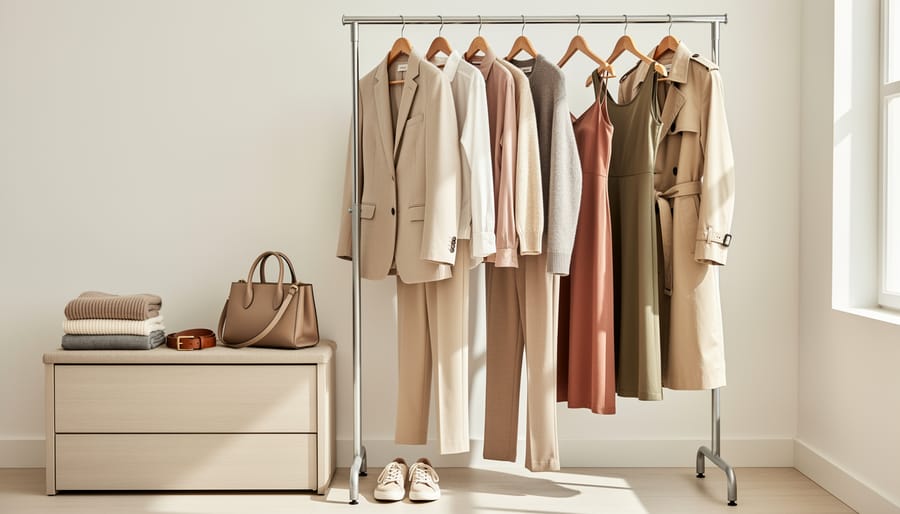
Start with a neutral base palette of black, white, and one warm neutral (camel, olive, or navy work beautifully). Then add one accent color that makes you feel confident, I always choose rust or burgundy because they photograph gorgeously against European architecture and pair with everything else.
- 2 pairs of pants: one black ankle-length pair and one neutral wide-leg or tapered style
- 1 midi skirt in your base neutral that works with sneakers or dressier shoes
- 2 day dresses: one sleeveless that layers well, one with sleeves for cooler weather
- 3 tops: one elevated blouse, one striped tee, one lightweight sweater in your accent color
- 1 denim or utility jacket for casual daytime exploring
- 1 blazer or structured cardigan that dresses everything up instantly
- 1 versatile evening piece: jumpsuit, silk cami, or dressy top
- 1 lightweight scarf in a pattern that incorporates your entire color scheme
The magic happens when everything works together. Your black pants pair with all five tops, the midi skirt transitions from museum mornings with sneakers and a tee to wine bar evenings with your blazer and flats, and both dresses layer under the jacket for unpredictable weather.
I keep intimates and workout gear separate (add 5-6 days’ worth of undergarments and one athleisure outfit if you plan to exercise), but this core twelve creates your daily looks. For a visual breakdown of how these pieces coordinate across different seasons, check out this packing list guide that walks through the mixing process step-by-step.
The real test? You should be able to get dressed in under five minutes each morning without decision fatigue, knowing that whatever you grab will look intentional and feel comfortable for a full day of European adventures.
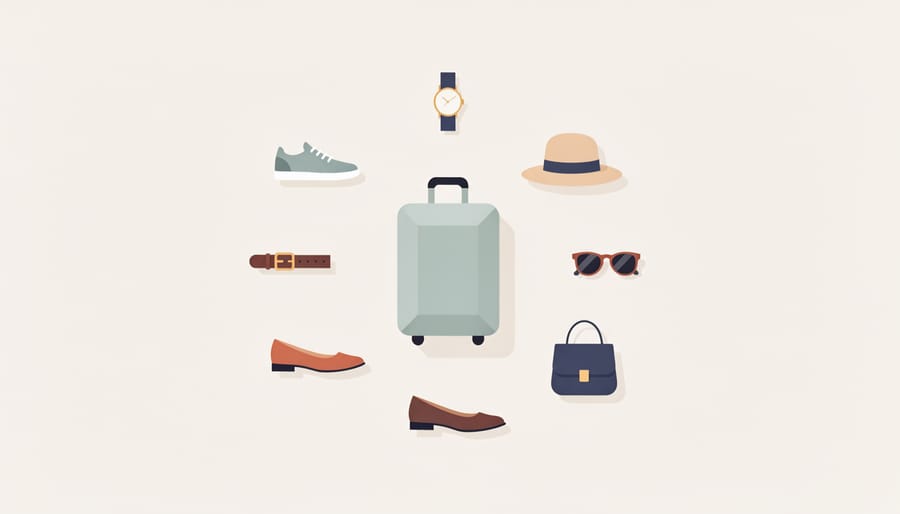
Footwear and Accessories Strategy
Your shoes and accessories make or break a European capsule wardrobe. They’re the difference between confidently exploring cobblestone streets and hobbling back to your hotel in agony.
I learned this the hard way during my first Paris trip when I packed four pairs of “cute” shoes that gave me blisters on day one. Now I follow the three-shoe rule religiously, and it’s transformed how I travel.
The Essential Three Shoes
Start with comfortable walking sneakers, the kind you can wear for 15,000+ steps without complaint. White leather sneakers or neutral athletic shoes work beautifully with everything from jeans to midi skirts. I practically lived in mine during a recent Copenhagen trip.
Next, pack dressy flats that transition from day to night. Look for leather or suede ballet flats, loafers, or pointed-toe flats in black, tan, or navy. They should feel comfortable enough for cobblestones but look polished enough for a wine bar.
Your third pair depends on the season. Summer calls for walkable sandals with arch support, I love leather slides or strappy sandals that don’t scream “tourist.” For cooler months, bring ankle boots in a neutral color that work with pants and dresses.
Strategic Accessories
The right accessories multiply your outfit options without eating luggage space. A lightweight scarf serves as a blanket on flights, a church cover-up, and a style statement that transforms basic outfits. Stick to one versatile pattern or color that coordinates with your capsule wardrobe formula.
For jewelry, pack a few simple pieces you’ll actually wear: small hoop earrings, delicate necklaces, or a classic watch. Leave expensive jewelry at home, you won’t miss it, and you’ll worry less.
Your crossbody bag is your daily workhorse. Choose one with anti-theft features, multiple compartments, and a neutral color that works with everything. Add a foldable tote for market days or beach trips, it takes up almost no space when not in use.
Common Mistakes to Avoid When Building Your Europe Capsule
I’ll never forget my first trip to Paris when I packed four pairs of heels “just in case” and ended up wearing my emergency ballet flats every single day because my feet were covered in blisters by day two. That packing mistake taught me more about building a functional capsule wardrobe than any article ever could.
Here are the most common mistakes women make when building their European travel capsule:
- Packing “just in case” outfits for events that rarely happen, that cocktail dress will likely stay in your suitcase
- Choosing trendy pieces over timeless basics that won’t photograph well six months later
- Ignoring weather research and assuming all of Europe has the same climate year-round
- Selecting uncomfortable shoes that look cute but can’t handle cobblestones or 15,000 daily steps
- Bringing too many colors that don’t coordinate, making mix-and-match impossible
- Packing heavy fabrics like thick denim that take forever to dry and weigh down your luggage
- Buying everything new instead of testing pieces at home first to ensure comfort and fit
- Forgetting about layering and bringing only single-layer pieces that can’t adapt to temperature changes
The biggest trap is assuming you need a completely different outfit for every day of your trip. This mindset leads women to avoid overpacking failure and arrive with a 50-pound suitcase they can barely lift onto trains.
Another critical error is buying everything at once without wear-testing. I’ve learned to purchase my capsule pieces at least a month before departure and actually wear them around home. That gorgeous linen jumpsuit might look perfect online but prove impossible to use in public restrooms, or those “comfortable” walking sandals might rub after two hours. Real-world testing saves you from discovering these issues while wandering the streets of Barcelona with no backup plan.
Budget-Friendly Shopping Tips for Your Travel Capsule
You don’t need to drain your savings to build a functional European travel capsule. I’ve assembled entire wardrobes for under $300 by shopping strategically and mixing investment pieces with budget finds.
Start with your existing closet. That black tee you’ve worn a hundred times? It’s already proven its versatility. Pull out neutral basics you already love and build around them instead of starting from scratch. I repurposed three blouses, two pairs of pants, and a denim jacket from my regular wardrobe for my last trip, saving over $200 right there.
For new pieces, hit up brands like Uniqlo, H&M, and Target for basics like tees, tank tops, and leggings. Their quality has improved dramatically, and these items don’t need to last years when you’re wearing them for a two-week trip. I’ve found incredible travel pants at Old Navy for $25 that performed just as well as $90 versions.
Save your budget for three key investments: quality walking shoes, one perfect blazer or jacket, and a durable crossbody bag. These items endure the most wear and directly impact your comfort and style. A $120 pair of comfortable leather sneakers beats six $20 pairs that’ll give you blisters on day two.
Thrift stores and consignment shops are goldmines for blazers, silk scarves, and unique dresses that add personality without the price tag. I scored a Madewell blazer for $18 that became my most-worn piece across Paris, Rome, and Barcelona.
Shop end-of-season sales for your next trip. Planning summer travel? Buy pieces in fall when retailers are clearing inventory at 50-70% off.
Frequently Asked Questions
Building a capsule wardrobe for European travel raises plenty of practical questions, and I’ve heard them all from readers planning their trips. Here are the answers to the most common concerns that pop up when you’re putting together your travel wardrobe.
How many outfits can I realistically create from a 10-piece capsule wardrobe?
With a well-planned 10-12 piece capsule, you can easily create 15-20 different outfits by mixing tops, bottoms, and layering pieces. The key is choosing a cohesive color palette where everything coordinates.
What should I do about laundry during a two-week European trip?
Plan to do laundry once midway through your trip, either at your accommodation or a local laundromat. Choose quick-dry fabrics that you can hand-wash in your hotel sink if needed, and they’ll be dry by morning.
Are there specific dress codes I need to know for visiting churches or restaurants in Europe?
Many churches require covered shoulders and knees, so pack a lightweight scarf or cardigan you can throw on. For dining, Europeans tend to dress slightly more formally than Americans, so your capsule’s dressier pieces work perfectly for evening meals.
How do I adapt my capsule wardrobe for a longer trip, like three or four weeks?
Don’t add more clothes, stick with your core capsule and plan for laundry every 7-10 days instead. You might add one extra top or dress, but the same 12 pieces will serve you just as well for a month as they do for two weeks.
Should I size up for comfort during long travel days?
Stick with your true size but prioritize stretchy, forgiving fabrics like jersey knits or pants with elastic waistbands. Oversized clothes create extra bulk in your luggage and often photograph poorly, while well-fitting stretchy pieces keep you comfortable without the baggage weight.
Can I build a capsule wardrobe if I’m plus-size?
Absolutely! The same capsule principles work for every body type. Focus on fit, quality fabrics, and pieces that make you feel confident, and don’t shy away from dresses, they’re incredibly versatile for all sizes and eliminate the need to coordinate separates.
The beauty of a capsule wardrobe is its flexibility. I’ve used the same basic formula for weekend city breaks and month-long adventures across Europe, and it’s never let me down. Once you understand the core principles, you can adapt your capsule to match your personal style, body type, and specific destinations without overthinking it. Trust the process, and you’ll be amazed how freeing it feels to travel with less while still having everything you need to look and feel great.
You’ve now got everything you need to pack light, look amazing, and feel confident exploring Europe without the burden of overstuffed luggage. Building your capsule wardrobe isn’t about restriction, it’s about freedom. Freedom to hop on trains without wrestling with heavy bags, to navigate cobblestone streets gracefully, and to focus on experiences rather than outfit anxiety.
Start small. You don’t need to buy everything at once. Begin with versatile basics in your chosen color palette, then build from there. Remember, the best capsule wardrobe is one that reflects your personal style while serving your practical travel needs. That favorite blazer that makes you feel put-together? Pack it. Those comfortable sneakers you’ve walked miles in? They’re coming too.
I’d love to hear about your European capsule wardrobe journey! What pieces became your travel MVPs? Did you discover any unexpected favorites while packing? Share your experiences and tips in the comments below, your insights might help a fellow traveler pack smarter for her next adventure.
Your European adventure is waiting, and now you’re ready to travel lighter, smarter, and more stylishly than ever before. Those cobblestone streets, charming cafes, and sunset strolls along the Seine are calling. All you need to do is pack your carefully curated capsule and go. Safe travels, and enjoy every fashionable moment abroad!