 debbie
Planning travel to manage a probate property sale takes about two to three trips over three to six months, with each visit lasting two to five days depending on court timelines and property condition. You’ll coordinate flights or drives around mandatory court hearings, property inspections, and closing dates, often while juggling grief, family dynamics, and a stretched budget. Companies like Property Saviour can handle much of the legwork remotely, but some tasks still require your physical presence.
I never imagined my first solo trip to Manchester would be to clear out my late aunt’s flat, but that’s exactly how I learned to balance court deadlines with budget airline sales. The reality of inheriting property isn’t glamorous weekend getaways. It’s red-eye flights to meet solicitors, scrambling to find affordable accommodation near the estate, and packing a capsule wardrobe that works for both dusty attic clean-outs and formal probate hearings.
The financial constraint hits hard. You’re funding multiple trips before you’ve seen a penny from the estate, often on short notice when the court or buyers set dates. I learned to stretch every pound: booking advance train tickets, staying in budget hotels near the property rather than city centers, and packing versatile blazers that transition from estate agent meetings to property viewings without looking like I’d been hauling boxes all morning.
This guide walks you through exactly what you need before you book that first ticket, which visits you can skip by working remotely, and how to create a realistic travel timeline that syncs with probate’s unpredictable pace. You’ll discover how to dress professionally without overpacking, manage your budget when funds are tight, and protect yourself emotionally during what might be the most challenging travel you’ll ever plan.
What You’ll Need: Essential Items and Resources for Probate Property Travel

Documents and Legal Materials
Pack your legal documents first, before you even think about outfits. Start with your Letters Testamentary or Letters of Administration, the court-issued proof that you have authority to act on the estate’s behalf. Real estate agents, attorneys, and title companies will request this immediately, so keep multiple certified copies in your travel bag essentials along with a digital backup on your phone.
You’ll need government-issued photo ID, the original property deed or title, and any mortgage or lien documents. If you’re co-executor or working with siblings, bring signed authorization forms showing who can make decisions. A power of attorney document is crucial if you need to delegate specific tasks to someone local while you’re back home.
Include the probate case number and court contact information, your attorney’s business card, copies of the death certificate, and the will. Store originals in a waterproof document organizer, and email scans to yourself for redundancy. Missing paperwork means wasted trips and rescheduled appointments, so organize everything in labeled folders before you leave. This preparation saves money, reduces stress, and keeps you professional during what’s already an emotional process.
Travel Wardrobe Essentials for Property Visits
Navigating probate property visits requires a wardrobe that transitions seamlessly from attorney offices to dusty estate wallets, all while keeping you polished and comfortable. Think smart layers and versatile pieces that work overtime.
Start with a capsule wardrobe built around neutral basics: two pairs of dark trousers or a midi skirt, three tops that can dress up or down, and a structured blazer. These pieces mix endlessly for court appearances, realtor meetings, and property walk-throughs. Add a pair of low-heeled ankle boots or sleek flats that handle both boardrooms and uneven property terrain without sacrificing style.
For property inspections, pack a washable cardigan or denim jacket to protect your outfit from dust and cobwebs, plus closed-toe shoes with good grip. Toss in a crossbody bag that keeps your hands free for taking photos and opening doors.
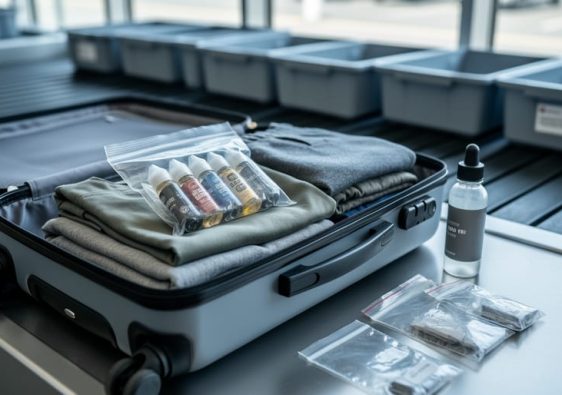
Budget hack: Shop your own closet first, borrowing work pieces you already own. Apply effective packing tips like rolling clothes to maximize suitcase space and prevent wrinkles. Choose fabrics that resist creasing, like ponte knit or jersey blends.
Finally, pack one statement accessory, a silk scarf or bold earrings, to remind yourself that even during challenging circumstances, your personal style travels with you.
Important Warnings and Considerations Before You Travel

Before you book that flight to handle probate property matters, there are several critical considerations that could save you time, money, and emotional distress. Understanding these warnings upfront will help you travel prepared and avoid costly mistakes during an already challenging time.
First, recognize that probate proceedings operate on strict legal timelines that dictate when you can travel. You cannot sell the property until the court grants approval, which means traveling too early for sale-related tasks wastes money. Coordinate closely with your probate attorney before booking anything, as some courts require 30 to 90 days’ notice for sale approval hearings. Missing a mandatory court date because you booked non-refundable travel for the wrong week can delay the entire process by months.
Property condition presents real safety hazards you must anticipate. An inherited home may have been vacant for weeks or months, creating issues like mold growth, pest infestations, electrical problems, or structural damage. Never enter a probate property alone on your first visit. Bring someone with you or hire a property inspector to assess safety concerns before you start sorting through belongings or meeting with real estate agents. Wear closed-toe shoes and bring a flashlight, work gloves, and masks for dusty conditions.
The emotional toll deserves honest acknowledgment. Walking into a loved one’s home, seeing their belongings untouched, and making decisions about their possessions can overwhelm even the most organized person. Schedule downtime between property visits and appointments. Pack comfortable clothing for emotional days and your favorite travel-size skincare products to prep your skin and maintain small self-care rituals that ground you during stress.
Financial constraints add another layer of complexity. Most estates cannot reimburse travel expenses until after probate closes and debts are settled, meaning you will likely fund trips out-of-pocket initially. Budget conservatively and keep meticulous receipts for potential future reimbursement.
Step-by-Step: Planning Your Probate Property Sale Trip
Step 1: Confirm Your Timeline and Court Requirements
Your first priority is connecting with the probate attorney to nail down exact dates. Schedule a call within days of receiving your executor appointment and ask specifically: When’s the first court hearing? What’s the deadline for property appraisal? How much advance notice does the court require for sale approval?
Request these details in writing, a timeline document you can reference while booking flights. Courts operate on rigid schedules, and missing a hearing means rescheduling your entire trip plus facing potential legal delays.
Ask your attorney which appearances require your physical presence versus video conferencing. Many preliminary hearings now allow remote participation, saving you an unnecessary trip. However, final sale approval hearings typically demand in-person attendance.
Get clarity on your state’s notice periods. Some jurisdictions require 30-day public notice before probate property sales, others need 60 or 90 days. This waiting period determines when you’ll need to travel for showings and inspections.
Create a master calendar marking every court date, inspection window, and statutory deadline. Build your travel plans around these fixed points, not the other way around. This prevents expensive last-minute flight changes when you realize a closing conflicts with your original booking.
Step 2: Book Affordable Travel and Accommodations
Once you’ve confirmed your timeline, it’s time to secure travel arrangements that won’t drain the estate’s limited funds. Start by booking flights at least three weeks in advance whenever possible, though I know probate doesn’t always give you that luxury. Set up price alerts on Google Flights or Hopper for your route, and check prices on Tuesday afternoons when airlines often release deals. For strategies on timing your bookings perfectly, read our guide on how to get the best flight deals. If you’re making multiple trips, consider purchasing Southwest tickets since they allow free changes, giving you flexibility when court dates shift unexpectedly.
For accommodations, extended-stay hotels with kitchenettes near the property often cost less than traditional hotels, plus you’ll save money by cooking simple meals instead of eating out constantly. I stayed at a cozy Airbnb just ten minutes from my aunt’s probate property last year and saved nearly forty percent compared to nearby hotels. Check if you have credit card points or hotel rewards collecting dust, this is exactly when you should use them. Book refundable rates initially, then watch for price drops and rebook to capture savings. Pack versatile pieces like a black blazer and comfortable ankle boots that transition easily from property walk-throughs to attorney meetings without requiring extra luggage fees.
Step 3: Schedule Property Inspections and Meetings
Once you’ve locked in your travel dates, it’s time to play coordinator and pack your schedule strategically. Contact your real estate agent first and block out time for a comprehensive property walkthrough. They’ll spot issues you might miss and recommend which contractors to call.
Schedule the appraiser next since their valuation drives your listing price and court approval. Most appraisals take 30-60 minutes, so book this early in your trip when you’re fresh and detail-oriented.
Here’s my hard-won advice: cluster contractor visits on the same day whenever possible. If you need a plumber, electrician, and landscaper, ask them all to come Tuesday morning rather than spreading appointments across three days. You’ll maximize your on-site productivity and won’t waste precious time waiting around.
Leave buffer time for unexpected meetings with interested buyers or their inspectors once you list the property. I learned this the hard way when a serious buyer wanted a same-day showing during my “relaxation afternoon.”
Create a shared calendar with your attorney and agent so everyone knows when you’re available. This prevents the frustrating “we need you there tomorrow” phone calls when you’re already back home.
Step 4: Prepare the Property for Sale

Once you’ve scheduled your inspections, it’s time to roll up your sleeves and get the property market-ready. Budget at least two full days on-site for basic cleaning and decluttering, trust me, inherited homes always need more work than you expect.
Start by removing personal items and excess furniture to help buyers envision their own lives there. Pack sentimental keepsakes separately from donation items, and photograph everything valuable for estate records. If the property needs deep cleaning or minor repairs like fresh paint or leaky faucet fixes, get quotes from local contractors during your first visit so you’re not scrambling later.
Here’s where probate property sale support services become lifesavers. If you live far away or can’t take multiple trips, these professionals can handle ongoing maintenance, meet contractors, and even oversee staging between your visits. I learned this after making three exhausting cross-country trips, hiring local help for the tasks that didn’t require my personal approval cut my travel costs in half.
Pack comfortable clothes you don’t mind getting dusty, but bring one polished outfit for unexpected agent meetings.
Step 5: Attend Court Hearings and Closings

Court hearings for probate property sales are typically brief but formal proceedings. You’ll appear before a judge to confirm the sale terms and obtain approval, usually lasting 15-30 minutes. Arrive at least 20 minutes early to navigate courthouse security and locate the correct courtroom. Bring all sale documents, identification, and any correspondence from your attorney.
For court attire, think polished professional without overdoing it. A classic sheath dress in navy or charcoal paired with a structured blazer works beautifully, or try tailored trousers with a silk blouse. Closed-toe flats or low heels are courthouse-friendly choices that look sharp without slowing you down. Skip flashy jewelry and opt for simple studs and a watch.
The final closing often happens at a title company or attorney’s office rather than court. This is where you’ll sign paperwork transferring the property and receive proceeds for the estate. The atmosphere is more relaxed than court, but maintain that professional polish. You can swap the blazer for a cardigan or go with smart business casual.
Budget tip: One versatile black or navy suit can cover both court and closing appearances across multiple trips, saving precious suitcase space and money.
Working with Probate Property Sale Support Services
When you’re facing multiple trips to manage a probate property sale, professional support services can be absolute lifesavers. These specialists step in to handle the on-site tasks you can’t manage from afar, from coordinating with contractors and meeting repair crews to checking on the property weekly and even styling it for showings. Think of them as your eyes, hands, and problem-solvers on the ground while you’re back home managing your actual life.
The decision to hire help versus handling everything yourself comes down to distance, your available time, and budget realities. If the property is within a few hours’ drive and you have flexible work arrangements, you might save money by making the trips yourself. But if you’re flying across the country, juggling a demanding job, or dealing with a property that needs constant attention, support services quickly pay for themselves. I learned this firsthand when managing my aunt’s estate in Phoenix while living in Seattle, after two exhausting trips in one month, hiring a local probate property manager saved my sanity and actually reduced my total travel costs.
These services range from basic property checks and lawn maintenance to full-service estate management including organizing belongings, coordinating estate sales, and even attending court hearings on your behalf with proper documentation. Many probate attorneys can recommend trusted local services, or you can find specialists through probate real estate agents who work with out-of-town executors regularly. Get specific quotes that break down what’s included, and don’t hesitate to negotiate a package that covers exactly what you need without paying for extras you’ll handle yourself. The right support team frees you to focus on the bigger decisions while ensuring the property stays secure, maintained, and moving toward that final sale.
Verifying Your Plan and Next Steps
Before each trip, double-check your travel dates against court deadlines and property milestones. Call your probate attorney 48 hours before departure to confirm no hearing dates have shifted and verify what documentation you’ll need. Cross-reference your flight times with scheduled property inspections, agent meetings, and contractor appointments to ensure you have buffer time for delays.
Create a trip-specific verification checklist: confirm all parties know you’re coming, verify property access codes still work, check that scheduled vendors received your contact information, and ensure any estate funds needed for repairs or staging are accessible. Keep digital copies of all court orders, property documents, and travel confirmations in one cloud folder you can access anywhere.
Track your overall progress with a simple visual timeline showing court milestones, property preparation stages, and anticipated closing date. Mark completed tasks in one color, upcoming deadlines in another. This bird’s-eye view helps you see how close you are to finishing, which matters when the probate process stretches longer than expected.
Protect your energy during this marathon. Pack a favorite scarf or piece of jewelry that makes you feel put-together, even on exhausting property visit days. Schedule one small pleasure per trip, whether that’s trying a new coffee shop or taking a sunset walk after a long day of estate tasks. These moments aren’t frivolous; they’re necessary fuel.
Before your final trip for closing, verify the title company has all signatures, confirm your travel wardrobe includes closing-appropriate attire, and give yourself permission to feel both relief and grief. You’ve navigated something genuinely difficult while maintaining your grace and style.
Common Questions About Probate Property Travel Planning
Handling a probate property sale while juggling your regular life brings up loads of practical questions, especially when travel is involved. Here are the answers to the most common concerns I hear from women navigating this process.
Can I get reimbursed for travel expenses from the estate?
Yes, reasonable travel expenses directly related to estate administration are typically reimbursable and may qualify as deductible estate administration expenses. Keep detailed records of all flights, lodging, meals, and mileage, and discuss reimbursement with your probate attorney before booking.
How many trips should I expect to make?
Most executors make two to four trips for a straightforward probate property sale: initial assessment and meetings, property preparation, court hearing, and final closing. Complex estates or those requiring extensive repairs may need additional visits.
What if the property is in a different state?
Out-of-state probate follows that state’s laws, so you’ll need a local probate attorney familiar with those requirements. Plan for longer trips to maximize your time on-site, and consider hiring local property managers or support services to handle tasks between visits.
How do I balance probate travel with my job?
Communicate early with your employer about your executor responsibilities and potential travel needs. Many companies offer bereavement leave that extends to estate settlement, and you can often schedule property tasks around existing work travel or long weekends.
Beyond these basics, budget concerns weigh heavily on most executors. You’re often fronting costs from your own pocket while waiting months for estate funds to become available or for reimbursement approval. My best advice is to use travel rewards programs strategically and book refundable options when possible, since probate timelines shift frequently. Court dates get continued, buyers back out, and inspections reveal unexpected issues that require return visits.
The emotional toll of repeated trips to a loved one’s home surprises many people. You might feel fine during the first visit, then find subsequent trips increasingly draining. Build in downtime during each trip, even if it’s just a quiet morning at a local coffee shop before diving into property tasks. Pack a comforting item or two in your travel wardrobe that makes you feel like yourself.
If balancing everything feels overwhelming, remember that hiring help is not a failure. Property management companies, estate sale professionals, and cleaning services can handle tasks that don’t legally require your physical presence. Sometimes the best use of estate funds is reducing your travel burden so you can focus on the decisions that truly need your input. You’re allowed to protect your energy, your job, and your wellbeing while still honoring your responsibilities as an executor.
Navigating probate property travel doesn’t mean putting your life on pause or sacrificing your sense of style. You’ve got the roadmap now: the essential documents, the step-by-step timeline, the budget-friendly travel hacks, and the knowledge of when to call in support services. This journey might feel overwhelming at first, but you’re more capable than you think.
Remember, every trip you take brings you closer to closing this chapter and moving forward. Pack that versatile blazer, book those affordable flights, and approach each meeting with the confidence you bring to every adventure. The legal requirements and court deadlines are just logistics, and you’ve handled complicated travel itineraries before.
Whether you’re flying across the country or driving a few hours away, you’re managing something significant while staying true to yourself. Lean on probate property sale support services when you need them. Take care of yourself between trips. And know that handling this responsibility with grace and style is absolutely possible. You’ve got this, and soon you’ll be ready for your next real adventure, one you chose for yourself.